-

Call us
-

Send Us Mail

 Head Protection
 Hand Protection
 Body Protection
 Sustainable Protection
 VendPack®
  RetailPack
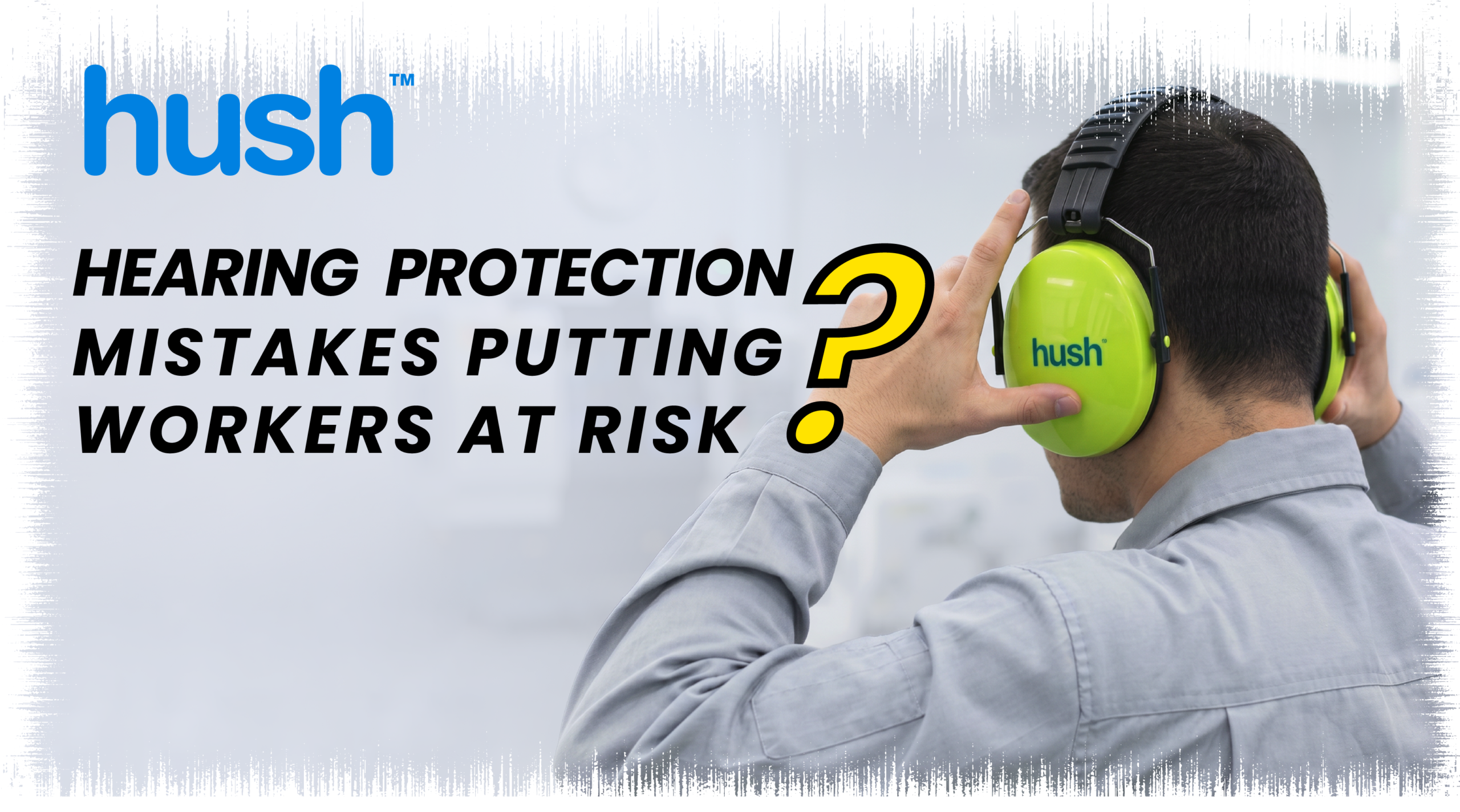
9 Common Hearing Protection Mistakes Workers Make (and How to Avoid Them)
Workplace noise is a daily hazard in industries such as construction, manufacturing, warehousing, food processing, and maintenance. While selecting the right earplugs or earmuffs is important, improper use can significantly reduce their effectiveness.
Here are nine common hearing protection mistakes workers make and practical ways to avoid them.
1. Choosing Hearing Protection Based Only on NRR
A higher Noise Reduction Rating (NRR) does not automatically make hearing protection the best choice. Excessive protection can make it difficult to hear instructions, warning signals, and nearby coworkers, which may encourage workers to remove their hearing protection.
When selecting hearing protection, consider:
• Workplace noise levels
• Duration of exposure
• Communication requirements
• Comfort
• Compatibility with other PPE
• The type of work being performed
Choosing the right balance of protection and usability helps improve both safety and compliance.
2. Wearing Earplugs Incorrectly
Even high-quality earplugs cannot provide their intended protection if they are inserted incorrectly. Loose insertion or wearing earplugs only at the entrance of the ear canal can significantly reduce noise attenuation.
Workers should be trained on:
• Proper insertion techniques
• How to check for a secure seal
• Safe removal
• Cleaning or disposal procedures
• When replacement is required
Because ear shapes vary, fit and comfort assessment can also help verify that workers are receiving the expected level of protection.
3. Breaking the Seal Around Earmuffs
Earmuffs rely on a continuous seal around the ears. Safety glasses, long hair, helmet straps, and other PPE can create gaps that reduce their effectiveness.
Workers should:
• Keep hair away from the sealing area
• Ensure eyewear does not interfere with the ear cushions
• Inspect cushions for wear or damage
• Adjust the headband for an even fit
• Confirm compatibility with other PPE
A proper seal is essential for maintaining the earmuff’s rated protection.
4. Assuming Hearing Protection Works Without Proper Use
Removing hearing protection for even short conversations or quick tasks in noisy areas can significantly reduce overall protection throughout the workday. Likewise, the NRR printed on the packaging represents laboratory performance; actual protection depends on proper fit and consistent wear.
Employers should encourage workers to:
• Wear hearing protection throughout noise exposure
• Choose products that are comfortable for extended wear
• Receive regular fit and usage training
• Participate in fit testing where appropriate
Proper use is just as important as choosing the right product.
5. Using Consumer Headphones Instead of Hearing Protection
Noise-cancelling headphones and consumer earbuds may make a workplace seem quieter, but they are not designed to protect against hazardous occupational noise.
Workers should always use approved occupational hearing protection that has an appropriate Noise Reduction Rating (NRR) for the work environment.
6. Failing to Clean, Inspect or Replace Hearing Protection
Reusable hearing protection requires regular maintenance to remain effective and hygienic.
Before use, inspect hearing protection for:
• Damaged or worn earmuff cushions
• Torn or deformed earplugs
• Loose cords or components
• Dirt or contamination
• Loss of flexibility or proper fit
Reusable products should be cleaned according to the manufacturer’s instructions, while disposable earplugs should be replaced after use.
7. Providing Only One Hearing Protection Option
No single hearing protector is suitable for every worker or every task. Comfort, ear anatomy, work environment and compatibility with other PPE all influence whether hearing protection will be effective.
Offering multiple hearing protection options can improve worker acceptance and encourage consistent use.
8. Relying on PPE Instead of a Hearing Conservation Program
Earplugs and earmuffs are only one part of an effective hearing conservation strategy.
A comprehensive program should include:
• Workplace noise assessments
• Engineering and administrative controls
• Equipment maintenance
• Appropriate hearing protection
• Worker training
• Hearing testing where required
• Regular program reviews
Managing noise at its source, whenever possible, remains the most effective long-term solution.
Choose the Right Hearing Protection
Selecting hearing protection that fits properly, provides the appropriate level of noise reduction and suits the work environment helps improve both comfort and compliance.
The RONCO HUSH™ hearing protection range includes disposable earplugs, reusable earplugs, metal-detectable options and earmuffs designed for a variety of industrial applications, including construction, manufacturing, food processing, warehousing, mining and maintenance.
Protect Your Hearing with the Right PPE
Many hearing protection mistakes are preventable. Selecting the right product, ensuring a proper fit, providing worker training and encouraging consistent use can significantly reduce the risk of noise-induced hearing loss.
Explore the RONCO HUSH™ Hearing Protection range to find earplugs and earmuffs designed to help protect workers across a wide range of noisy environments.
SIGN UP FOR OUR
NEWSLETTER

Learn how to choose industrial hearing protection and explore RONCO HUSH™ earplugs, metal detectable options & high visibility safety earmuffs
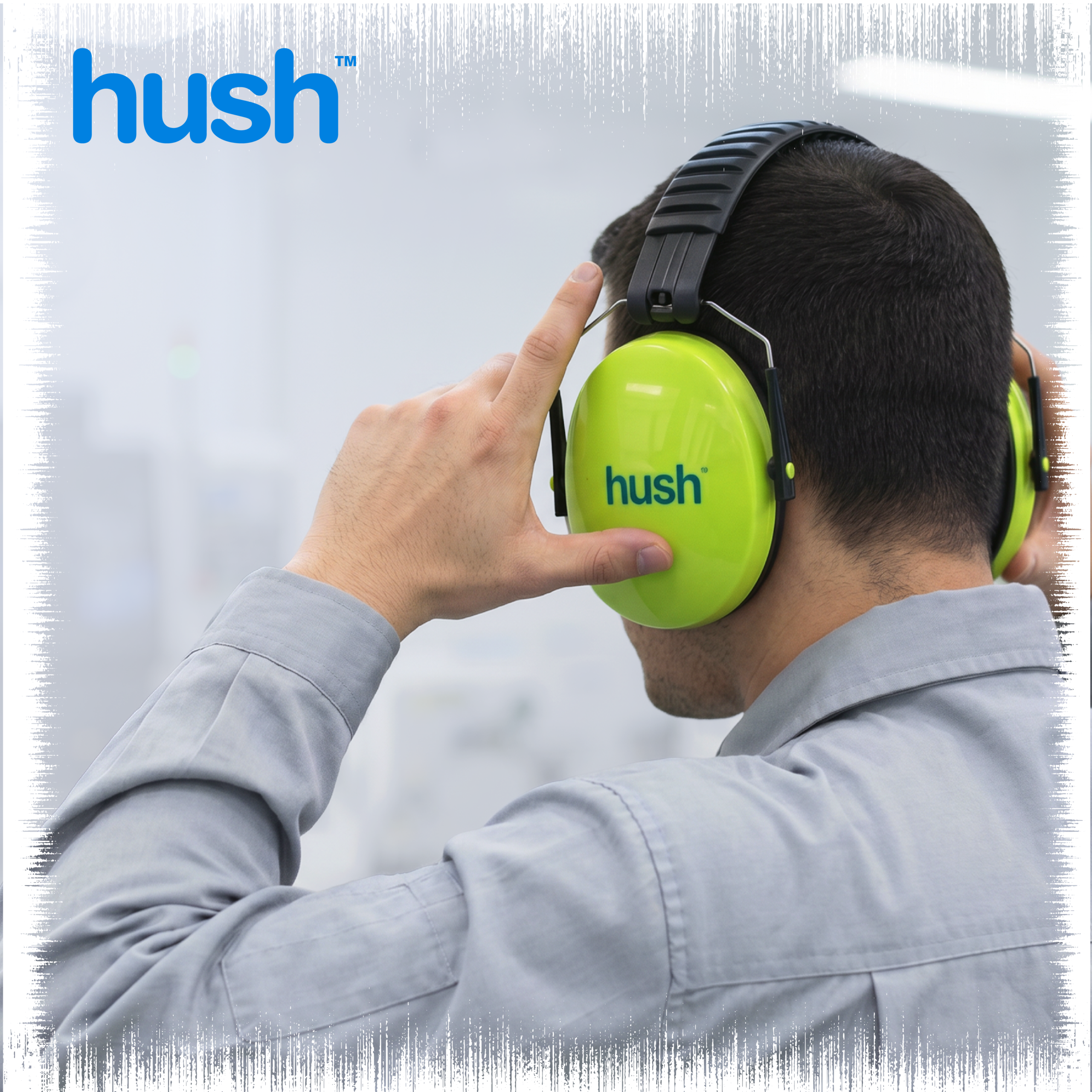
Learn the most common hearing protection mistakes workers make and how proper hearing protection can help reduce workplace noise exposure.
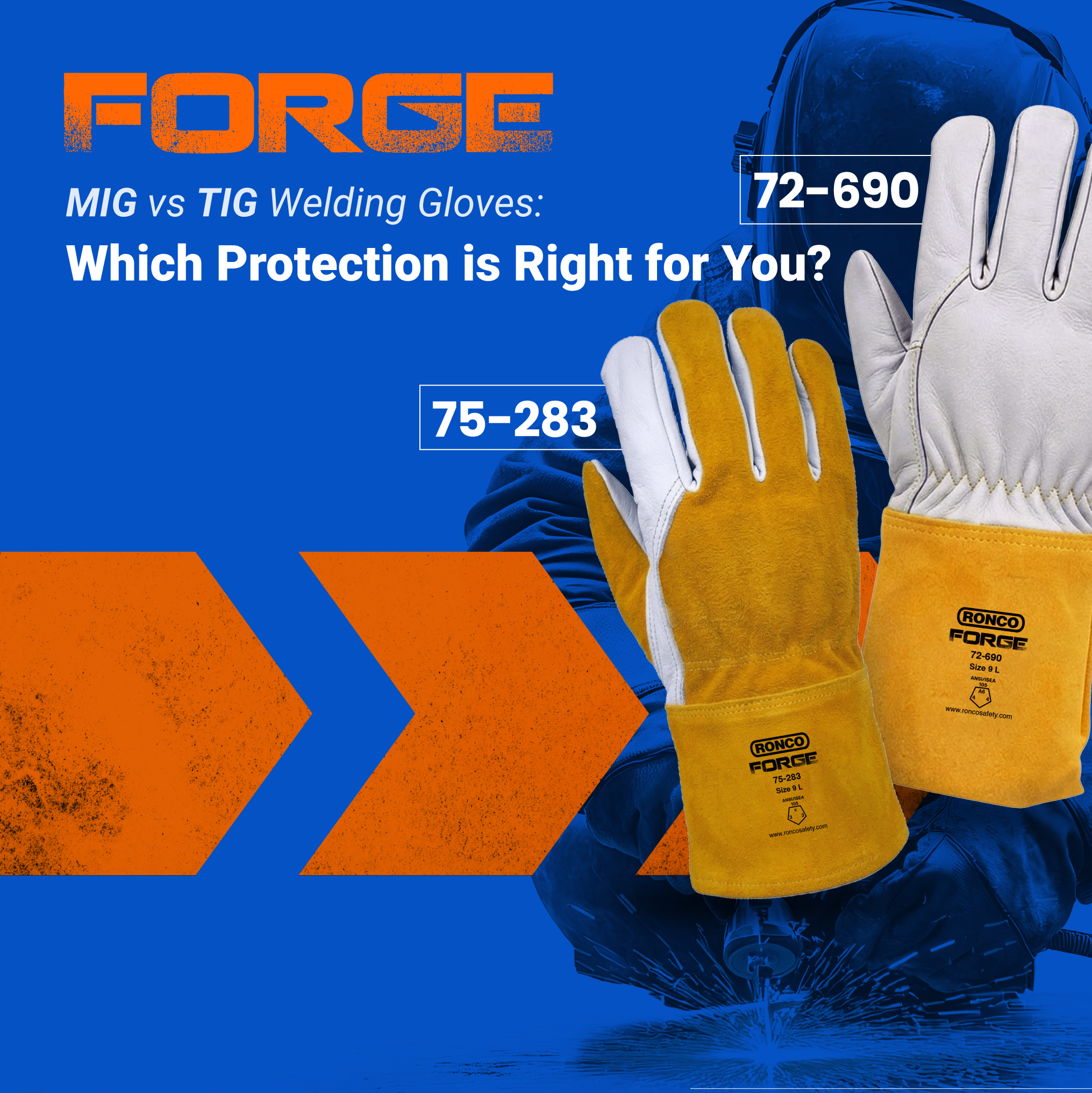
Compare MIG and TIG welding gloves by heat, dexterity and protection. Find the right RONCO welding glove for each application.