-

Call us
-

Send Us Mail



 Head Protection
 Hand Protection
 Body Protection
 Sustainable Protection
 VendPack®
  RetailPack
How to Choose the Right Protective Coveralls for Your Workplace
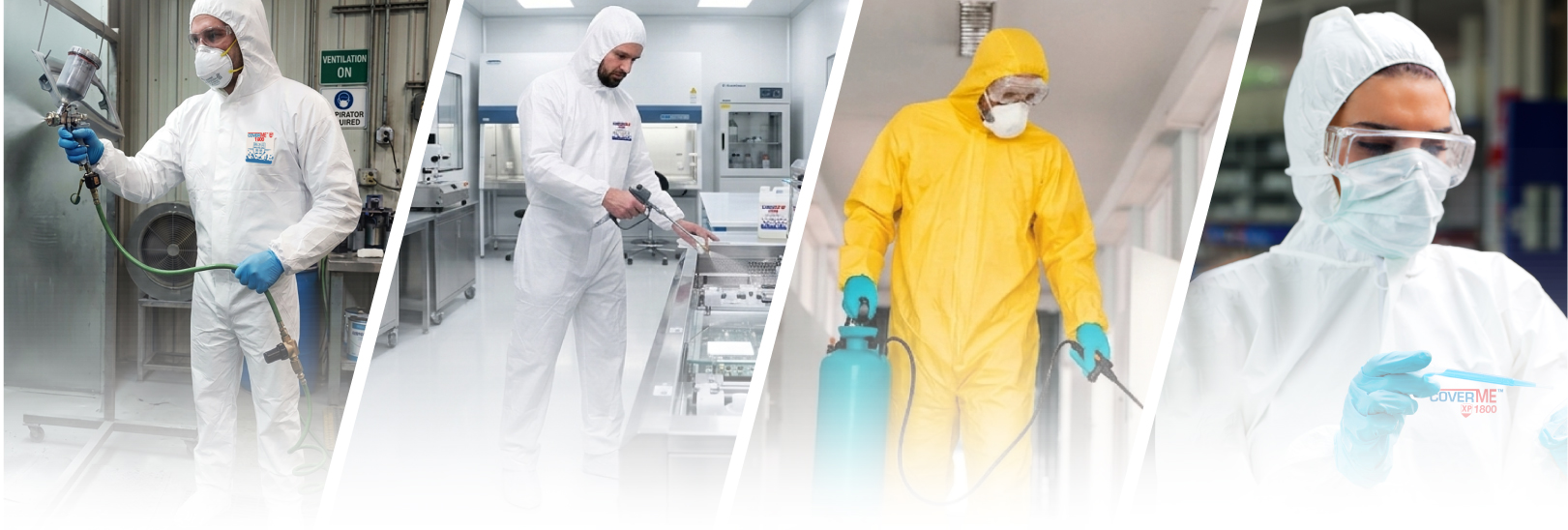
Workplace hazards come in many forms, but the right protective coveralls help ensure your employees stay safe, compliant, and confident on the job. From chemical spills to dust and infectious agents, premium protective coveralls deliver reliable protection without compromising comfort or performance.
Safety starts with the right gear.
Selecting the right coverall is about finding the right balance between protection, performance, duration of use, and budget.
The goal is to match the coverall type, material, and features to the specific risk or hazard.
This helps ensure the employee feels:
• Fully protected
• Comfortable on the job
• Able to work without compromising usability
Protection Starts Here: Your Selection Guide
By focusing on these essential elements, you can select coveralls that not only safeguard workers but also enhance workplace safety and reliability:
• Are there any compliance requirements?
• Is the purpose to protect the wearer from the environment, such as chemicals, or to protect the environment from the wearer, such as in a cleanroom?
• Disposable suits or reusable? Disposable coveralls help prevent cross-contamination and are lightweight, but they create waste, while reusable coveralls require strict cleaning standards.
• Consider the environment and activity. Will the wearer be exposed to heat or moisture? Is flexibility of movement required? What is the duration of wear?
• Evaluate the breathability of the fabric against its chemical resistance.
• Is compatibility required with other PPE such as boots, goggles, gloves, and masks?
Know the Risks: Protect Your Team
It is essential to conduct a hazard assessment to match the coverall to the hazard by Category and Type. RONCO is always here to help at contactus@roncosafety.com
Carefully assess workplace exposures; whether to dust, liquids, chemicals, or biological agents, and identify any potential hazards. This will determine the Category and Type of coverall your tasks will require. Each coverall is designed with specific requirements in mind.
Category I – This is the lowest level of PPE, intended for minimal risk, non-hazardous contaminants. It provides basic protection from dirt, dust, or light contact with non-dangerous materials. This involves tasks with no serious chemical, biological, or physical risk.
For this type of job, look for RONCO’s Cover Me XP1000.
This coverall is made from a lightweight, breathable microporous fabric, with stitched seams and a hood. It is disposable, easy to don and doff, and cost-effective.
Category II – This category of PPE is for moderate, non-life-threatening, and non-hazardous risks. PPE in this category offers better durability but is not chemical-tight. These garments are generally made of thicker material and offer some splash resistance.
Category III – This category of coverall is engineered for high-risk workplaces. It offers greater protection against semi-hazardous materials and environments and is designed to meet stringent standards.
These coveralls have taped or sealed seams for improved resistance, and fabrics with advanced barrier technologies to safeguard workers. They provide full-body coverage with hoods, elasticized cuffs, ankles, and sometimes boots and zipper flaps.
These coveralls must be certified. This ensures reliable protection, meets regulatory standards, and effectively protects workers against the hazards they are designed for.
As these coveralls are designed for high-risk environments, they use heavier fabric, which can make them less breathable or hot during long shifts and may restrict movement.
Category III is further broken down into Types, each protecting against different elements.
• Pressurized Liquid / Jet – Type 3
Protects against liquid under pressure.
• Heavy Spray – Type 4
Protects against high-volume chemical mist.
• Particles / Dust – Type 5
Protects against airborne solids such as asbestos, silica, and powders.
• Light Liquid Splash – Type 6
Protects against low-pressure sprays and splashes.
• Biological / Infectious Hazards
Use suits tested for viral or bacterial protection.
RONCO has a line of coveralls to meet your workplace requirements.
See our Type 5/6 CoverMe XP1800, XP2000, and XP2100.
For more enhanced coverage, see RONCO’s Type 3/4/5/6 CoverMe XP3000
At RONCO, your safety is our priority.
Stephanie Osmond
Product Manager, Head and Body Protection
RONCO Safety
SIGN UP FOR OUR
NEWSLETTER
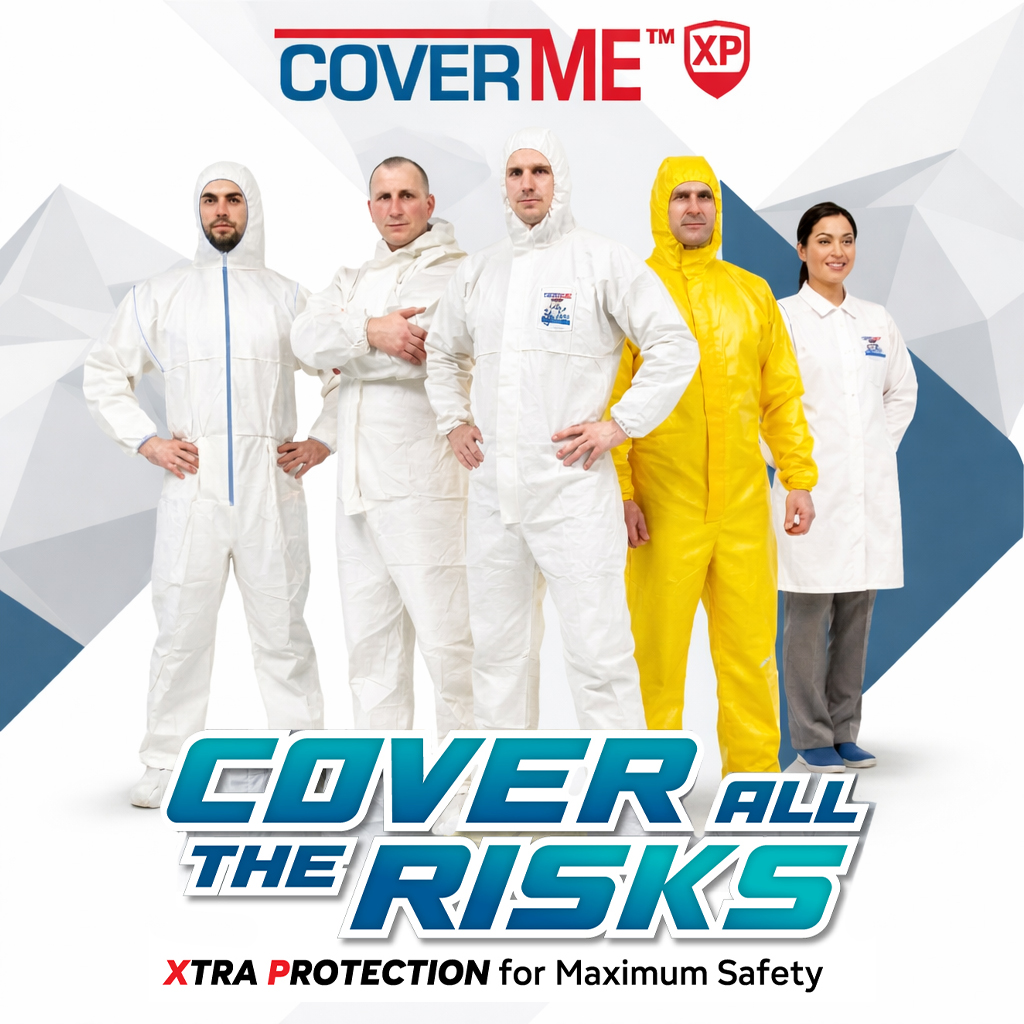
Learn how to choose protective coveralls for your workplace based on hazards, compliance, comfort, and coverall types.
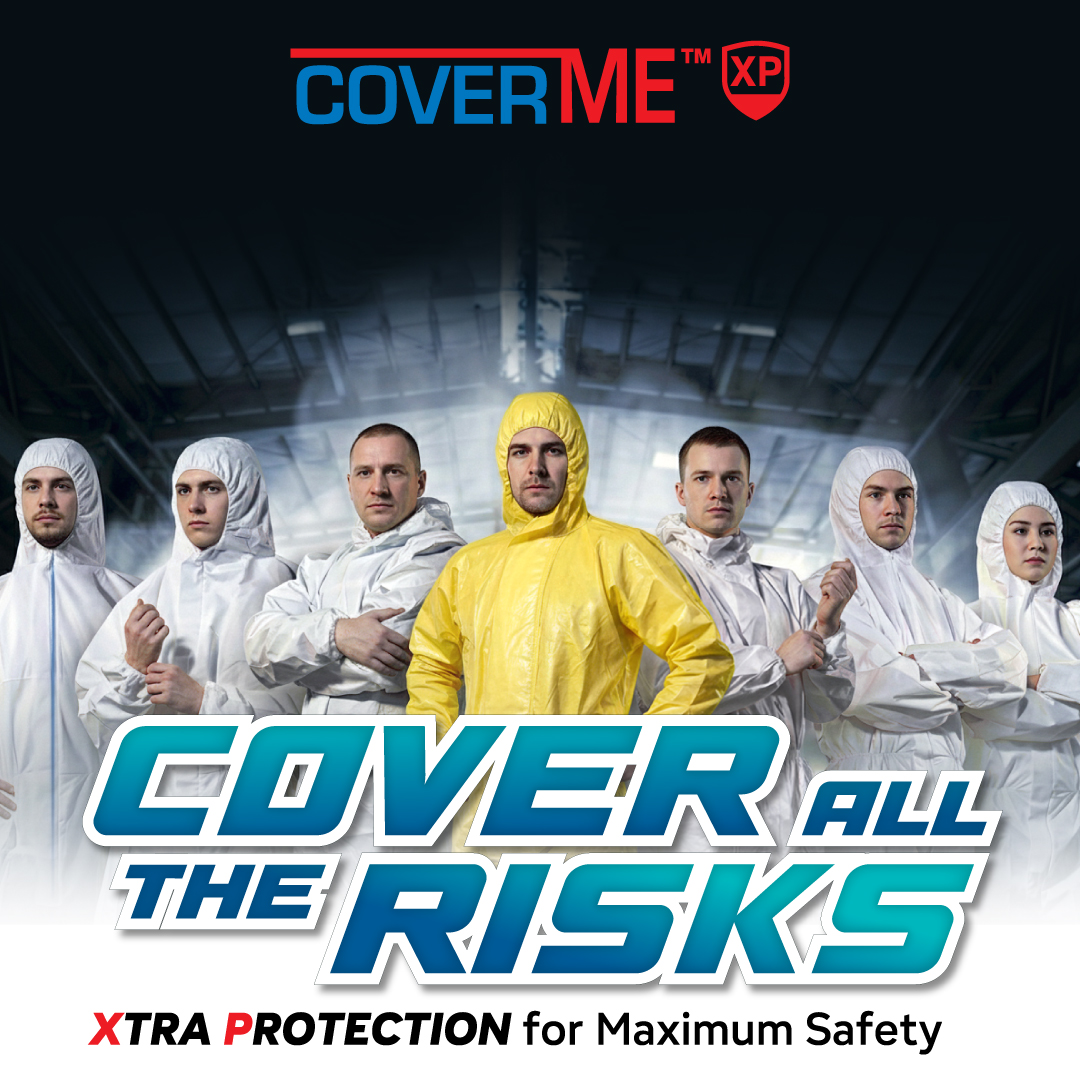
Learn best practices for PPE coveralls: proper storage, inspection, donning, safe use, and removal to reduce contamination risks.
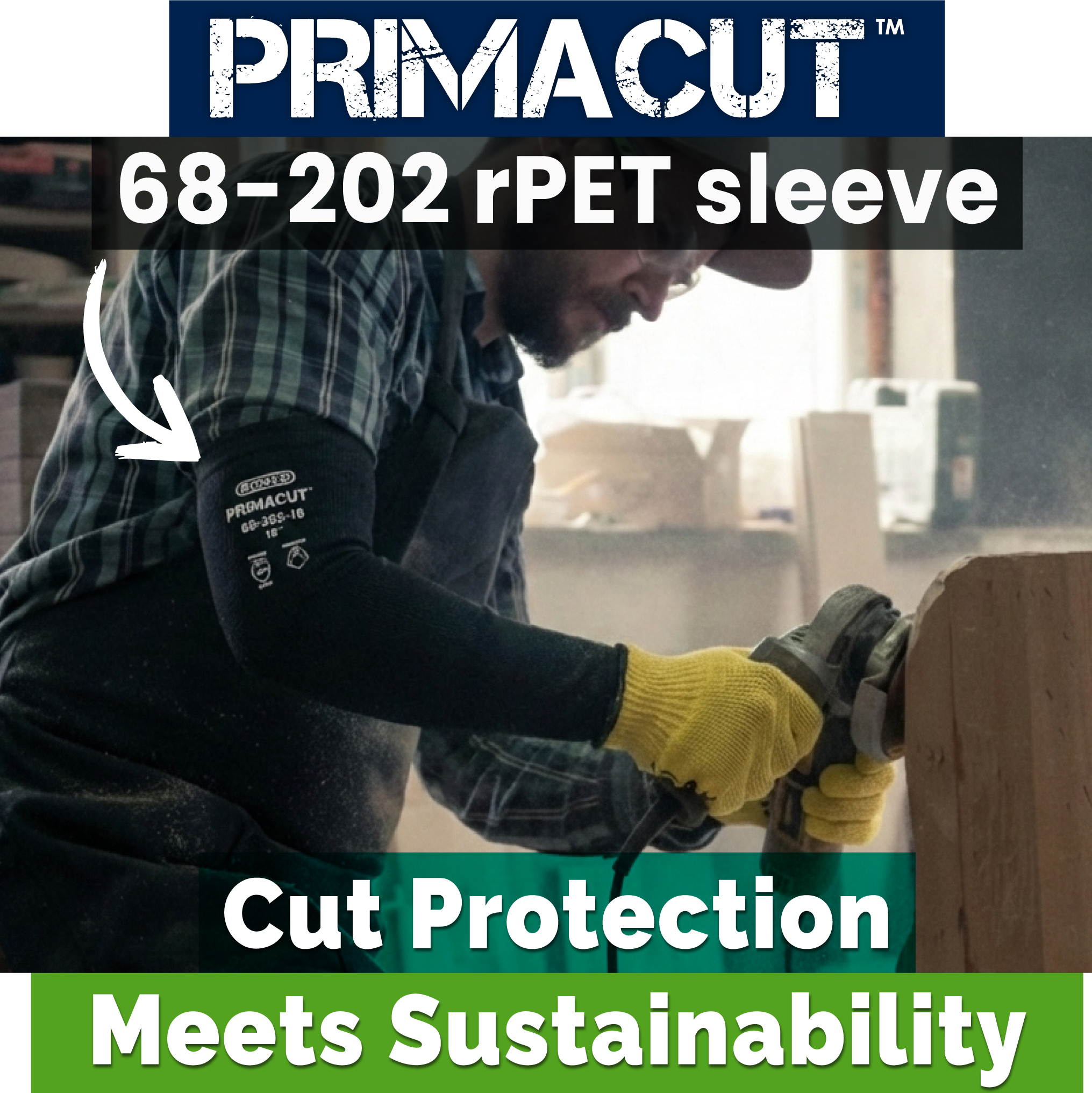
Learn how sustainable cut resistant sleeves deliver reliable arm protection comfort and durability while supporting environmental goals.